

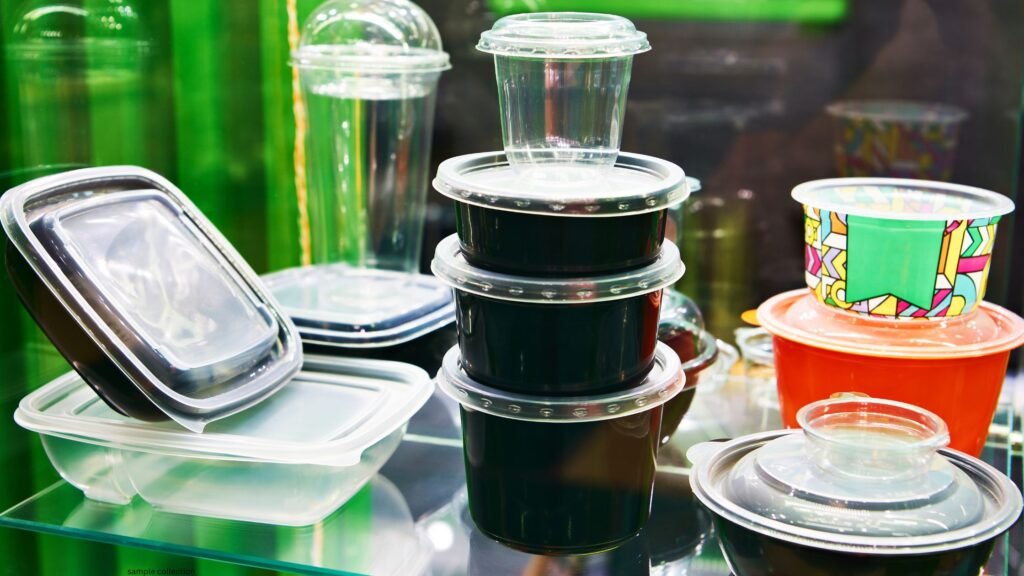
Plastic containers fill our kitchens, lunch boxes and food factories. They hold leftovers, ready meals, sauces and packed lunches, and many of them go straight into the microwave. However, plastic does not stay perfectly intact. Heat, scratches, age and repeated washing can break tiny pieces off its surface, and those pieces can end up in food. Scientists call them microplastics, and they now turn up in many foods and drinks.
Researchers are still studying what they mean for health, so careful choices make sense. At METS Laboratories, we test food contact materials, so you can check how a plastic container behaves before it holds your food.
What are Microplastics?
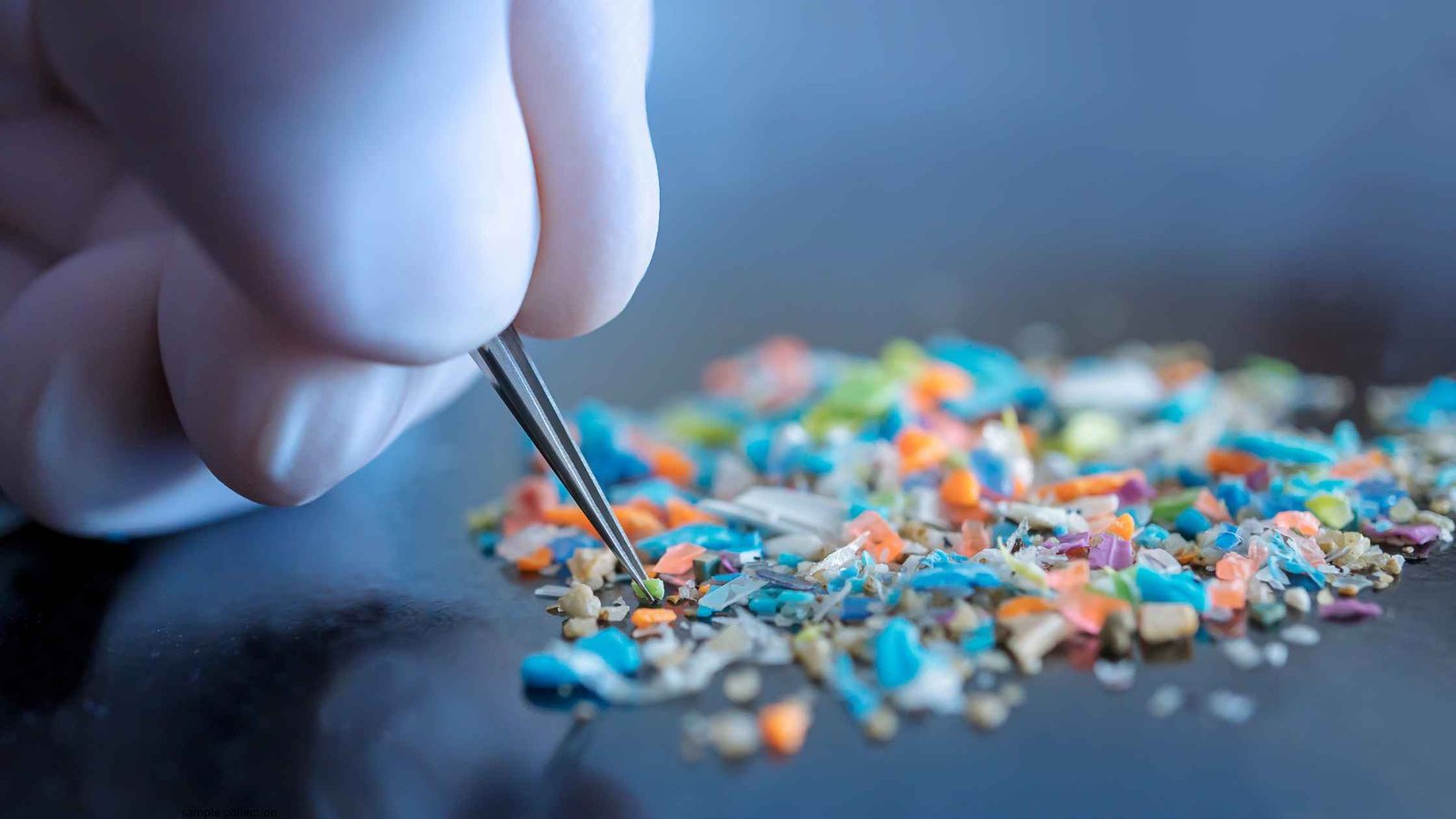
Microplastics are plastic particles smaller than 5 millimetres, and they show up in these forms:
- Fragments: small, uneven pieces that break off larger items.
- Fibres: thin threads from textiles, ropes and nets.
- Films: flakes from bags, wraps and thin packaging.
- Beads and pellets: small round particles from industry and some products.
How Do Microplastics Get Into Food?
Microplastics reach food from the environment and from the materials that touch it:
- Environment: particles end up in water, soil and the sea, so they can reach fish, shellfish, salt and crops.
- Packaging wear: films, trays and bottle caps can shed particles when they rub, bend or age.
- Containers and utensils: scratched tubs, worn cutting boards and old plastic spoons release more particles.
- Heat: hot food, hot filling and microwave heating soften plastic, and studies suggest this raises the number of particles released.
- Processing: plastic belts, seals and parts in food plants can add particles as they wear.
Need for Food-Safe Containers
A good quality, food-safe container lowers the risk in several ways:
- Fewer particles: a well-made container resists scratching and softening, so it sheds less.
- Fewer chemicals: a tested food-safe plastic keeps additives, such as plasticisers and colourants, low.
- Stability under heat: the right resin and design cope with the temperature the maker intended.
- Better food quality: a suitable container is less likely to add odd tastes or smells.
- Proof for buyers: a test report and a declaration of compliance show that the container suits food contact.
- Longer life: a sturdy container stays in good shape for longer, so it stays safe to use for longer.
What Makes a Plastic Container Good Quality?
Check for these signs before you buy or specify a container:
- Food-safe marking or declaration: the supplier states that the container suits food contact, and backs it up with a test report.
- The right resin: polypropylene (PP, code 5) is common for reusable tubs and lids, and HDPE (code 2) for bottles and jugs.
- A clear heat rating: the label says whether the container is microwave-safe, freezer-safe or suitable for hot filling.
- A smooth, even finish: cracks, rough edges and scratches shed particles faster.
- No strong chemical smell: a sharp odour can signal poor-quality material or poor processing.
- A traceable supplier: a known brand or supplier that gives batch details.
How Should You Use Plastic Food Containers?
Even a good container needs careful use, so follow these habits:
- Heat only what is rated: microwave a container only when it carries a microwave-safe mark.
- Cool food first: let hot food cool a little before you pour it into plastic.
- Retire worn tubs: replace containers that look scratched, cloudy, warped or stained.
- Wash gently: use a soft sponge, because scourers scratch the surface.
- Use single-use tubs once: takeaway tubs are made for one trip and wear quickly.
- Consider other materials: for hot or oily food, glass or ceramic removes the question.
Microplastics Testing Process
Microplastic analysis follows five steps from sample to report:
- Prepare the sample. First, we handle the food or container under clean conditions, because airborne fibres can spoil the result.
- Break down the food. Next, we digest the organic matter, so only the plastic particles remain.
- Filter the particles. Then we collect them on a fine filter.
- Identify the plastic. After that, we use infrared or Raman microscopy to confirm each particle is plastic and to find its type.
- Count and report. Finally, we count the particles, measure their size and write up the results.
Other Tests Conducted on Food Containers
Microplastic analysis is one part of the picture, so we also check these container properties:
- Overall migration: the total amount of substances that move from the plastic into a food simulant.
- Specific migration: single substances, such as metals, monomers or certain additives.
- Heat behaviour: whether the container warps, cracks or changes under microwave, hot-fill or freezer conditions.
- Material identification: which resin the container really contains.
- Sensory checks: whether the plastic changes the taste or smell of the food.
METS Laboratories for Microplastics and Food Container Testing
We design our testing around the real ways plastic and food interact:
- Clean-handling controls: we use blanks and clean preparation to avoid false particles from the air or equipment.
- Particle identification: we confirm the plastic type by infrared or Raman analysis, so you know what you found.
- Heat and real-use tests: we test containers under microwave, hot-fill or freezer conditions that match their use.
- One lab, two questions: we can test both the container and the food, so you see the full picture.
Conclusion
Microplastics in food will not disappear soon, and the science is still moving. However, good quality, food-safe containers and careful use can lower your exposure and your risk. So before you buy or specify a new container, check its heat rating, its resin and its test evidence. Then contact METS Laboratories, and we will advise on the microplastic and migration tests that fit your product.
Frequently Asked Questions
1. Are microplastics in food harmful?
Ans: Scientists are still studying that. Microplastics now turn up in food, water and even human tissue, yet the health effects remain unclear. For that reason, limiting avoidable exposure is a sensible step.
2. Does heating food in plastic release more microplastics?
Ans: It can. Heat softens plastic, and studies suggest this raises the number of particles released. As a result, use only containers that carry a microwave-safe mark, and avoid heating oily food in thin tubs.
3. Does food-safe mean no microplastics?
Ans: No. Any plastic can shed particles as it wears. However, a good quality food-safe container sheds less when you use it as intended.