


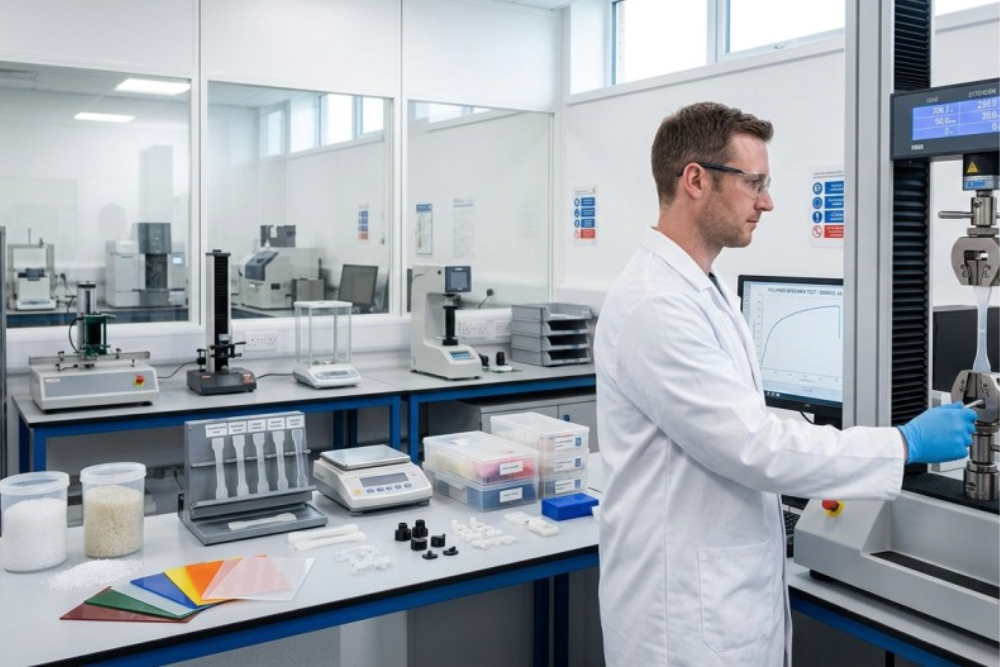
Plastic and polymer materials are used in many packaging, automotive, construction, electronics and manufacturing applications. But the composition and production of the material can differ, which may impact the product’s performance. Thus, Plastic and polymers Testing is vital for testing the material characteristics, discovering defects and putting together consistent product quality. Furthermore, Industrial Polymer Testing serves for manufacturers to learn the reaction of materials to various working conditions. METS Laboratories UK assists businesses looking for reliable testing solutions for better product performance and quality control process.
Why is testing of plastics and polymers important?
Plastic and polymers Testing can aid manufacturers in determining if materials fulfill relevant quality specs and targeted performance needs. Also, testing can locate potential weaknesses prior to the products being placed in the market.
Key benefits include:
- Product Reliability: Assists in evaluating properties of materials that affect product performance.
- Quality Control: ensures that the batches are consistent.
- Defect Identification: Helps identify material weaknesses and manufacturing irregularities.
- Risk Reduction: Enables decisions to be made about material selection and product design based on informed risk reduction.
Thus, manufacturers will be more efficient and less prone to failures due to material.
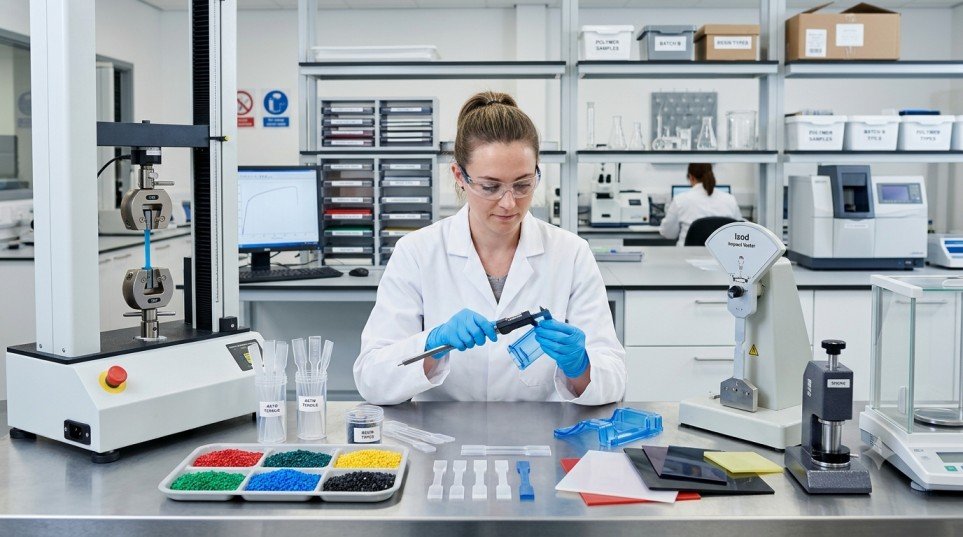
There are many common types of plastic and polymers testing.
There are various tests available for different types of plastics, depending on the material to be tested, application and performance expected. Thus, there are various evaluations that can be made under the category of Plastic and polymers Testing.
Common areas tested:
- Mechanical Testing: Tests tensile strength, impact resistance, flexibility and elongation.
- Thermal Testing: Studies the effects of changes in temperature and heat on materials.
- Chemical Resistance Testing: Tests the characteristics of materials in the presence of targeted chemicals.
- Physical Property Testing: Tests of density, hardness, dimensions, etc.
- Environmental Testing: Tests performance under certain environmental conditions as appropriate.
Additionally, testing techniques can assist manufacturers in deciding if materials are appropriate for their desired uses.
Industrial Polymer Testing for Enhanced Product Performance and Reliability
Industrial Polymer Testing can be a critical component in manufacturing settings, where the performance of materials can significantly influence the reliability of products. For instance, packaging materials might need appropriate flexibility and durability, whereas automotive components might need impact resistance.
Manufacturers can:
- Experiment with different polymer materials prior to manufacture.
- Pinpoint weaknesses in existing material formulations.
- Make judgments on performances based on set criteria.
- Provide support for product development and improvements in manufacturing.
- Ensure better uniformity of production batches.
Consequently, Industrial Polymer Testing aids businesses in making informed material-selection decisions and in setting up effective quality management practices.
The Quality Assessment of Materials for Reliable Manufacturing.
The detailed Material Quality Assessment provides the manufacturer with the information they need to determine if a plastic/polymer material can be used to satisfy the requirements. Moreover, it can be used for quality assurance during the production and development of products.
Important considerations include:
- Material composition: check material information, this parameter is very important.
- Performance Requirements: Determine the strength, flexibility and durability required.
- Testing Methods: Choose appropriate tests for the material and application.
- Quality Documentation: Keep accurate test documentation to ensure technical decisions.
So, Material Quality Assessment can aid companies recognize inconsistencies, enhance material selection, and guarantee effective manufacturing results.
The benefit of using METS Laboratories UK?
METS Laboratories UK offers laboratory testing service to businesses who want to test materials and the quality of their products. It offers plastic and polymer testing services for manufacturers to consider for their needs.
To find out more, businesses can check out the Plastic and Polymer Testing Services page. Manufacturers should however verify that certain test methods and standards are available at the laboratory.
Conclusion
Reliable Plastic and Polymers Testing is essential for manufacturers seeking to improve product performance, maintain consistent quality, and ensure materials meet their intended application requirements. By identifying material weaknesses and evaluating important physical and mechanical properties, businesses can make informed decisions throughout product development and manufacturing. Furthermore, Industrial Polymer Testing helps assess how plastic materials perform under different operating conditions, while Material Quality Assessment supports the selection of suitable materials for specific industrial applications. Together, these testing approaches help manufacturers identify potential issues, minimise material-related risks, and improve production consistency. Therefore, partnering with an experienced testing laboratory such as METS Laboratories UK can help businesses strengthen their quality assurance processes and make better-informed decisions about material reliability. Ultimately, a structured approach to polymer testing supports dependable products, efficient manufacturing, and long-term customer confidence.