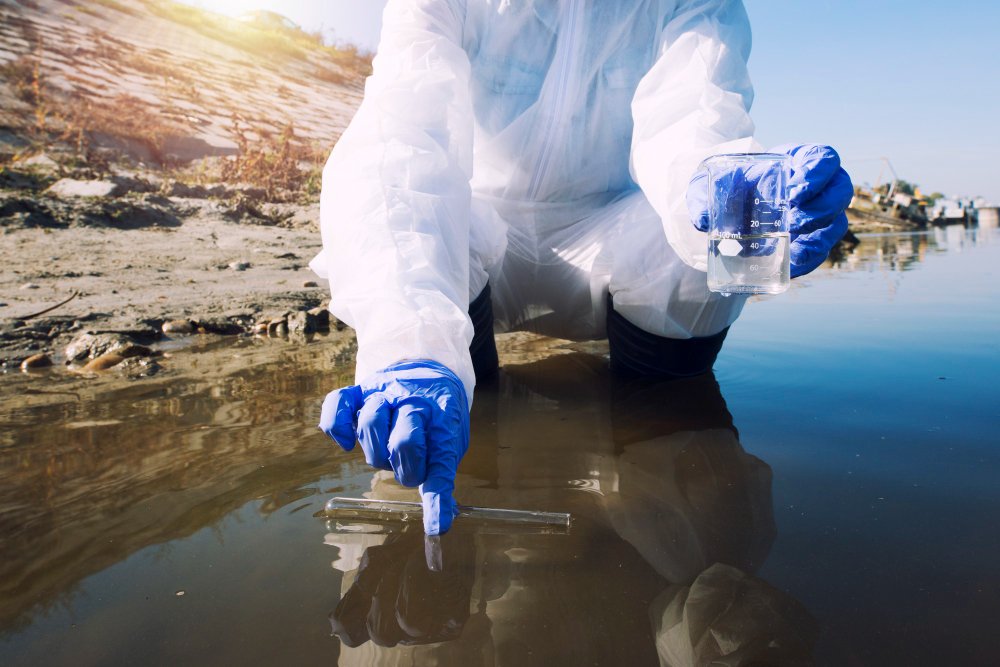


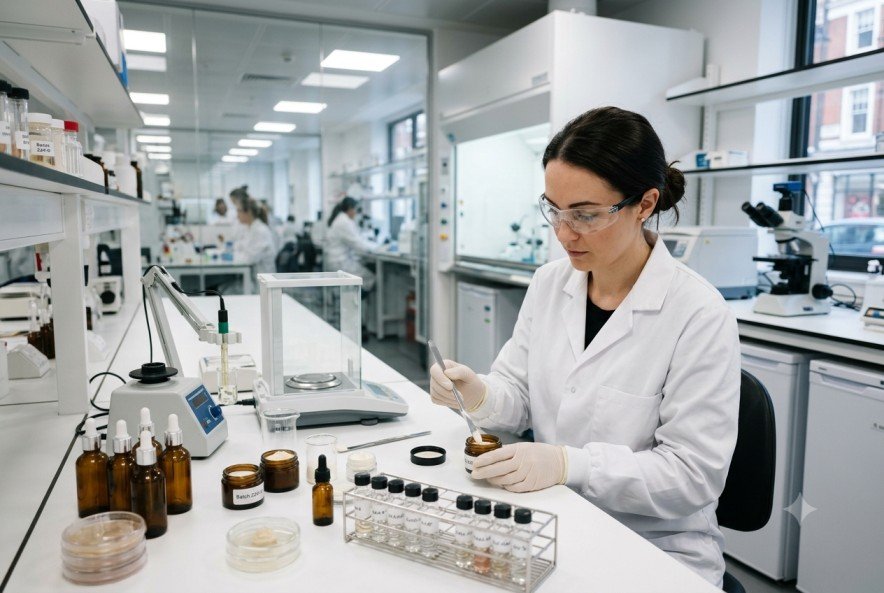
Choosing a reliable beauty product tester UK service can help cosmetic brands assess product quality, safety and performance before bringing new formulations to market. From skincare and haircare to make-up, fragrances and personal-care products, cosmetic safety testing provides scientific evidence that supports responsible product development and UK market compliance. METS Laboratories UK provides cosmetic and product testing services alongside specialist chemical and polymer testing capabilities.
Why Is Cosmetic Safety Testing Important?
Cosmetic products are applied directly to the skin, hair, lips, nails or other parts of the body. Consequently, manufacturers need to understand the formulation, ingredients, potential contaminants, stability and intended use before placing products on the market.
In Great Britain, cosmetic products must be safe for human health under normal or reasonably foreseeable conditions of use. Before a new cosmetic product is made available, its safety must be assessed by a suitably qualified professional. Businesses also need a Responsible Person and must notify cosmetic products to the Office for Product Safety and Standards (OPSS).
A professional beauty product tester UK laboratory can therefore provide important analytical data that contributes to a wider product safety and compliance programme.
What Does Cosmetic Product Testing Cover?
The appropriate testing programme depends on the formulation, intended use and product category. A beauty product tester UK can help manufacturers identify which assessments are relevant to their formulation.
Microbiological Safety
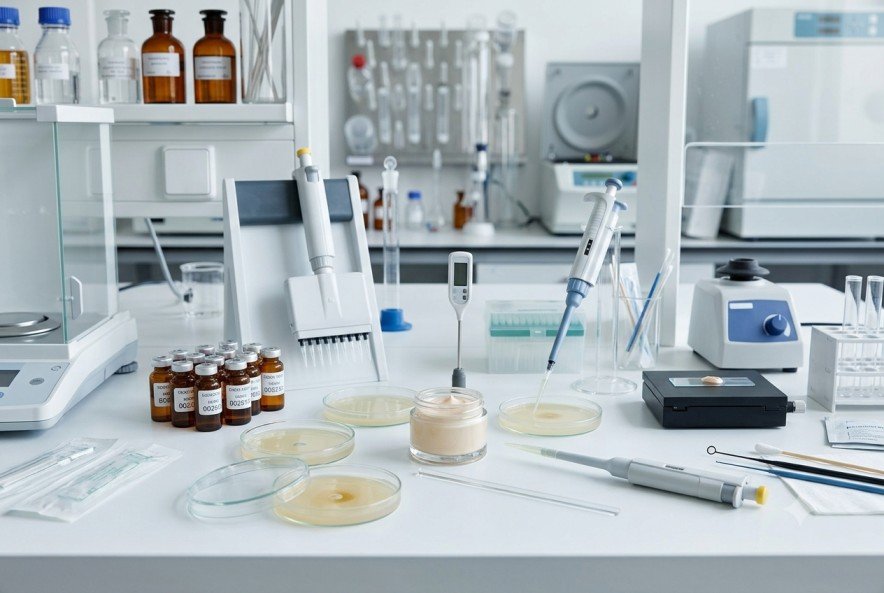
Microbiological contamination can affect the quality and safety of cosmetic formulations, particularly products containing water or ingredients that support microbial growth.
METS Laboratories UK states that its cosmetic testing methods include ISO 21148:2017 for microbiological examination and ISO 29621:2017 for microbiological risk assessment.
These assessments can form part of a broader cosmetic safety testing strategy for evaluating microbiological risks.
Chemical and Contaminant Analysis
Ingredient composition and potential contaminants can influence cosmetic safety. METS Laboratories UK provides analytical capabilities for identifying contaminants and trace elements, while its wider polymer testing service includes elemental analysis, toxic impurity analysis, additive identification and chemical composition analysis.
Depending on the product and packaging, chemical analysis may help businesses investigate formulation composition, impurities or material-related concerns.
Stability and Shelf-Life Evaluation
A cosmetic formulation needs to maintain appropriate quality and stability throughout its intended shelf life.
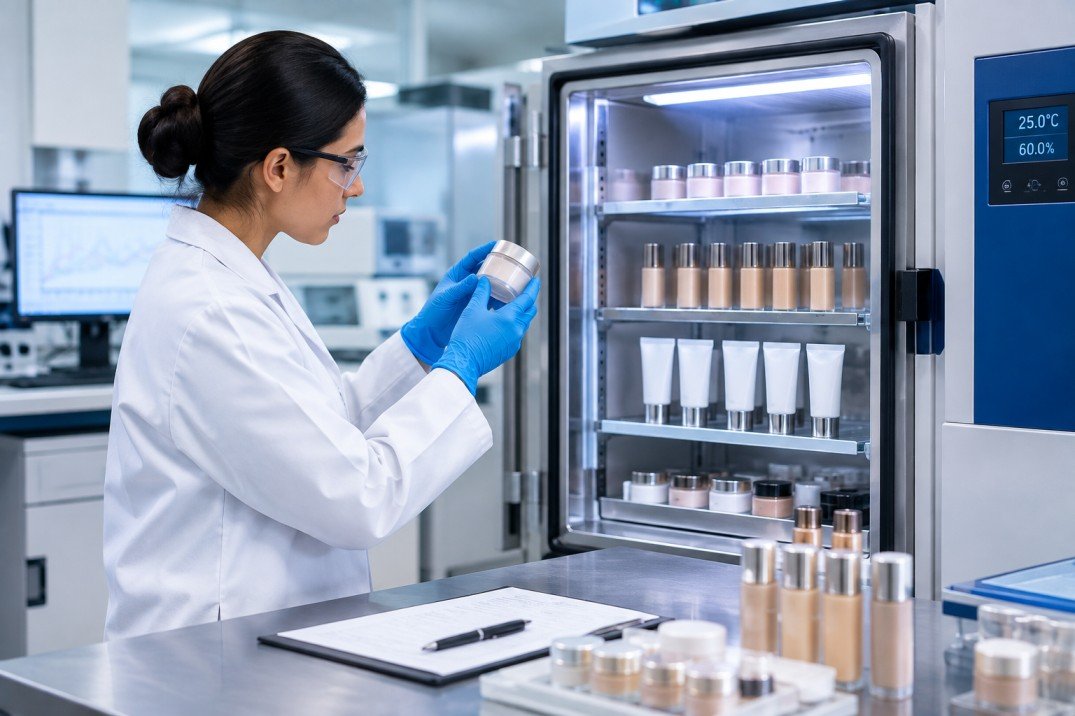
METS Laboratories UK describes stability protocols using real-time conditions of 25°C ± 2°C and accelerated conditions of 40°C ± 2°C to assess shelf life and product performance.
For brands launching new skincare, haircare or personal-care formulations, stability assessment can provide useful information about how a product behaves under controlled conditions over time.
Which UK Regulations Should Cosmetic Brands Consider?
Businesses selling cosmetics in Great Britain need to understand the requirements under the Cosmetic Products Enforcement Regulations 2013, which implement the relevant cosmetic regulatory framework in Great Britain. A Responsible Person must ensure that a cosmetic product has undergone an appropriate safety assessment before it is placed on the GB market.
The resulting Cosmetic Product Safety Report (CPSR) forms part of the Product Information File (PIF). The safety report considers information such as ingredients, concentrations, toxicological properties, physical and chemical characteristics, stability, microbial contamination, packaging and expected exposure.
This means cosmetic safety testing should form part of a structured compliance process rather than being treated as a single standalone laboratory test.
How Polymer Testing Supports Beauty Products
Modern beauty products frequently rely on plastics and polymers for bottles, jars, tubes, closures, applicators and other packaging components. Consequently, packaging materials can also warrant appropriate material evaluation.
METS Laboratories UK’s polymer testing capabilities include chemical and elemental analysis, heavy-metal analysis, physical and mechanical testing, thermal analysis, additive identification and migration testing for polymer additives. The laboratory also lists techniques including GC-MS, FTIR, XRF, ICP-MS, DSC, TGA and SEM.
For cosmetic brands, this broader product testing UK capability can help investigate material characteristics alongside the finished cosmetic formulation.
Standards and Quality Considerations
METS Laboratories UK’s cosmetic testing service references ISO 22716 Good Manufacturing Practice (GMP), the UK Cosmetic Products Enforcement Regulations 2013, and relevant international frameworks. Its polymer testing service also references standards including BS EN ISO 527 for tensile properties, BS EN ISO 179 for impact testing and BS EN ISO 1133 for melt flow testing.
The relevant standard depends on what is being tested. Cosmetic formulation testing and polymer packaging assessment should therefore be treated as separate but potentially complementary parts of a product development programme.
Choosing a Beauty Product Tester UK
When selecting a beauty product tester UK, cosmetic manufacturers should consider more than the availability of individual tests. The laboratory should understand the product category, intended use, relevant regulatory requirements and type of evidence needed.
A suitable testing programme can help businesses:
- Identify potential formulation risks
- Assess microbiological quality
- Investigate chemical composition and contaminants
- Evaluate stability and shelf-life characteristics
- Examine relevant packaging materials
- Generate technical data to support compliance activities
METS Laboratories UK provides cosmetic, chemical, consumer product and polymer testing services, allowing businesses to address different aspects of product development through a broader laboratory testing capability.
Prepare Your Beauty Product for the UK Market
For cosmetic manufacturers, testing should begin early enough to identify potential issues before commercial launch. A structured cosmetic safety testing programme can provide valuable scientific information for the safety assessment, quality-control process and product development strategy.
Whether you are developing a new skincare formulation, launching a personal-care product or evaluating plastic packaging, product testing UK services can help generate relevant technical evidence.
METS Laboratories UK, based in Dudley, provides cosmetic and specialist testing services for businesses seeking reliable laboratory analysis and product evaluation.
Final Thoughts
Beauty brands preparing products for the UK market should treat cosmetic safety testing as an essential part of product development, not as a final compliance step. From microbiological and chemical evaluation to stability and packaging-related considerations, appropriate testing helps generate reliable evidence about product safety, quality and performance.
Working with an experienced beauty product tester UK can help manufacturers and brands identify potential risks early, support regulatory requirements and make more informed decisions before market launch. For products involving plastic packaging or polymer components, additional material testing can also help assess chemical, physical and performance characteristics.
Moreover, by choosing a testing laboratory with relevant technical capabilities and a clear understanding of UK requirements, beauty businesses can strengthen their compliance processes and bring products to market with greater confidence.