

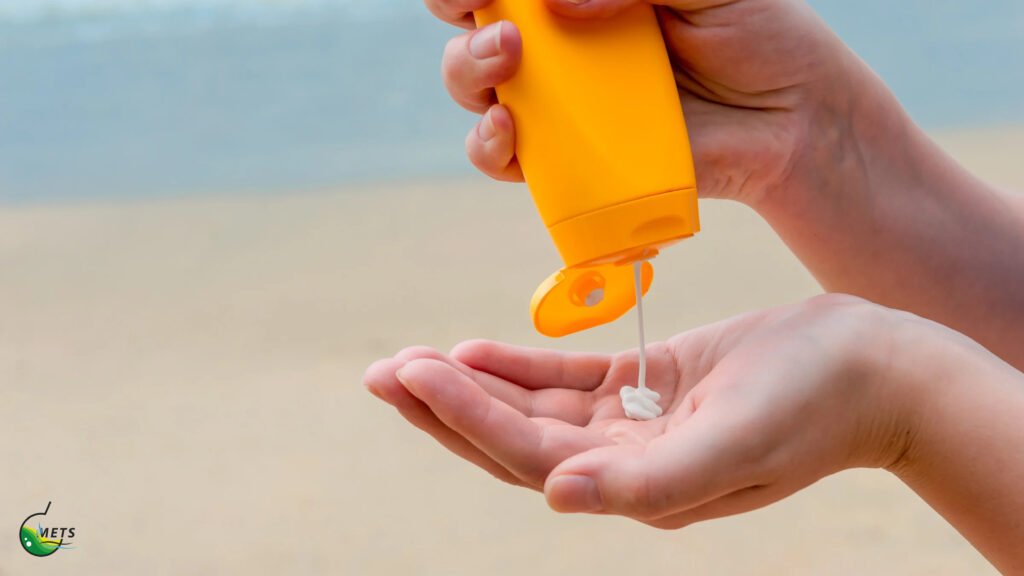
Sunscreens, day creams and make-up with SPF all rely on UV filters, the ingredients that absorb or scatter ultraviolet light. Britain has now removed one of them from the permitted list. From 15 July 2026, cosmetic products containing the UV filter 4-methylbenzylidene camphor, known as 4-MBC or enzacamene, can no longer be placed on the Great Britain market. For brands, importers and contract manufacturers, that means checking formulations, reformulating where needed and proving compliance with test data. At METS Laboratories, we help cosmetic businesses confirm what their products contain and how well they protect.
UV Filter Ban in the UK
The UV filter ban stems from a change to UK Cosmetic Regulations in Great Britain. The legislation moves 4-MBC from the list of permitted UV filters to the list of prohibited substances.
- Legislation: Statutory Instrument 2026/23 made the change.
- Substance: 4-MBC, also called enzacamene, is the UV filter affected.
- Start date: The ban applies from 15 July 2026.
- Where it applies: It covers England, Scotland and Wales. Northern Ireland and the EU follow separate rules, so check them if you sell there.
Why Did the UK Introduce the UV Filter Ban?
The decision followed a safety review by the UK’s expert advisory group on chemical safety.
- Safety opinion: The group could not conclude that 4-MBC is safe in cosmetics at any concentration.
- Concerns: The review raised questions about hormone-disrupting effects and possible genetic damage.
- International alignment: The EU has also moved to ban the substance.
- Reformulation pressure: As a result, brands must replace it with permitted filters.
UV Filter Ban Deadlines
Two dates matter for products already on the market.
- 15 July 2026: From this date, you cannot place new products containing 4-MBC on the market.
- 14 January 2027: Products placed on the market before 15 July 2026 can stay available until this date.
- Labelling: Moreover, those older products must still comply with the earlier labelling rules.
- Practical point: Unsold stock after the deadline cannot continue to be sold.
Products that are Affected
Any cosmetic with a sun protection claim, or any product that may contain the filter, needs to be checked under the UV filter ban.
- Sunscreens and after-sun products
- Moisturisers, foundations and BB creams with SPF
- Lip balms with sun protection
- Hair and body products with UV protection claims
- Imported products from outside the UK
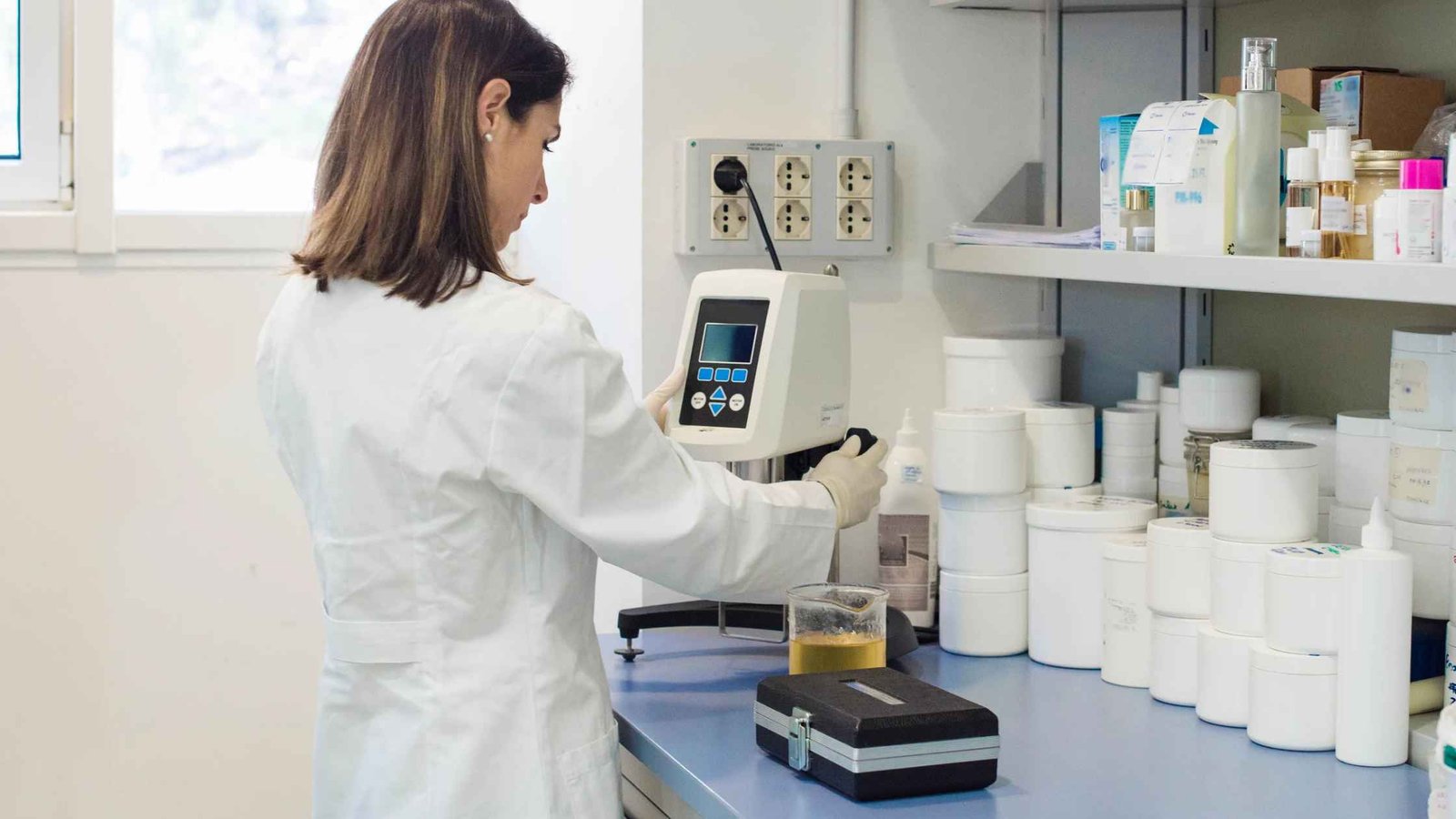
How Can Testing Help You Comply?
Testing supports each step of the response.
- UV filter analysis: Chemical analysis, usually by liquid chromatography, can check whether 4-MBC is present in a product or raw material.
- Raw material checks: We can test incoming UV filter ingredients before they enter production.
- SPF testing: After reformulation, SPF and UVA protection tests confirm that the new formula still protects as claimed.
- Stability and photostability: These tests show whether the new filter combination stays effective over time and under light.
- Safety data: Testing results also feed into the product information file and safety assessment.
What Should Brands Do About the UV Filter Ban?
A short plan keeps the project on track.
- Check formulations: First, search ingredient lists and supplier documents for 4-MBC.
- Test where unsure: Next, confirm the result by laboratory analysis.
- Reformulate: Then replace 4-MBC with a permitted UV filter.
- Retest performance: After that, repeat SPF, UVA and stability testing.
- Update files and labels: Finally, revise the product information file and packaging.
METS Laboratories for UV Filter and Sunscreen Testing
Reliable results for the UV filter ban depend on targeted analysis and proper performance testing, and we focus on both.
- Targeted screening: We check for the banned filter in products and raw materials.
- Performance testing: We confirm SPF and UVA protection after reformulation.
- Compliance-focused reports: Result
- s appear in a form that supports your product file.
- UK-based laboratory: Our UK team keeps samples close to your production and market.
METS Laboratories provides chemical, microbiological and performance testing for cosmetic and personal care products, helping brands meet the requirements of the UK Cosmetic Regulation and related standards.
Conclusion
The UV filter ban means every sun care and SPF product sold in Great Britain must be free of 4-MBC. Therefore, brands should check their formulations now, test where there is doubt and prove performance after any change. Keep clear records for each batch. Share your product details with METS Laboratories, and we will recommend the right testing plan.
Frequently Asked Questions
1. Which UV filter is banned in the UK?
Ans: The banned filter is 4-methylbenzylidene camphor, also known as 4-MBC or enzacamene.
2. Does the ban apply to Northern Ireland?
Ans: The change applies to Great Britain. Northern Ireland and the EU follow separate rules, so check them if you sell there.
3. Can I still sell stock made before the ban?
Ans: Products placed on the market before 15 July 2026 can stay available until 14 January 2027. After that date, they cannot be sold.