

Environmental testing plays a vital role in identifying pollutants in water, soil, and air while helping industries comply with environmental regulations. Through reliable Environmental Monitoring Services in UK, laboratories use scientific methods and advanced analytical techniques to ensure accurate analysis of environmental samples.
Such testing is essential because contamination can spread quickly if not detected early. Moreover, it provides valuable data that helps industries prevent environmental risks, maintain regulatory compliance, and support long-term sustainability.
Why Environmental Testing Is Essential for Modern Industries
Environmental testing protects public health and the natural environment. Moreover, industries use accurate data to be in accordance with the laws. Pollution may be unnoticed and have devastating effects when it is not properly tested.
Key reasons it matters:
- Guarantees compliance with regulations.
- Favours green operations.
- Minimises risks to the environment.
The way an Environmental Monitoring Systems Laboratory Works
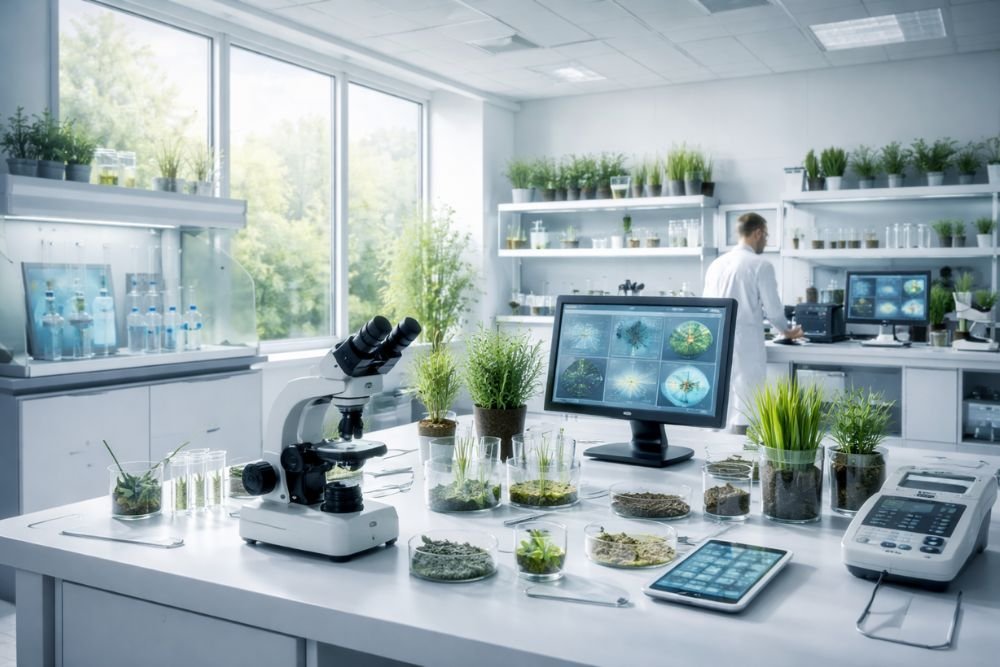
The laboratory of environmental monitoring systems takes systematic procedures. To begin with, the samples of soil, water, and air are taken by experts. Thereafter, each sample is analyzed using advanced equipment in the presence of contaminants.
Core steps include:
- Collection of Samples: Field teams collect samples at various locations.
- Laboratory Analysis: Instruments are used to identify chemicals, toxins and metals.
- Quality Control: Each test is conducted using a high level of calibration.
Due to the critical nature of accuracy, the documentation of the procedures is done to enable tracing and compliance.
Key Areas Covered by Environmental Testing
nvironmental testing covers a broad spectrum of environmental factors. Most crucially, it identifies pollutants that can be detrimental to the ecosystem and society. Additionally, it supports environmental monitoring services in UK across various sectors.
Main testing categories:
- Water Testing :It determines the presence of pathogens, metals, and chemical contaminants.
- Air Testing: Test of gases, gas emissions, and air particles.
- Soil Testing: Pesticides, hydrocarbons and industry waste.
- Hazardous Material Testing: Guarantees safe handling/disposing.
All the categories assist industries to have safer environments.
The Role of Environmental Monitoring Services
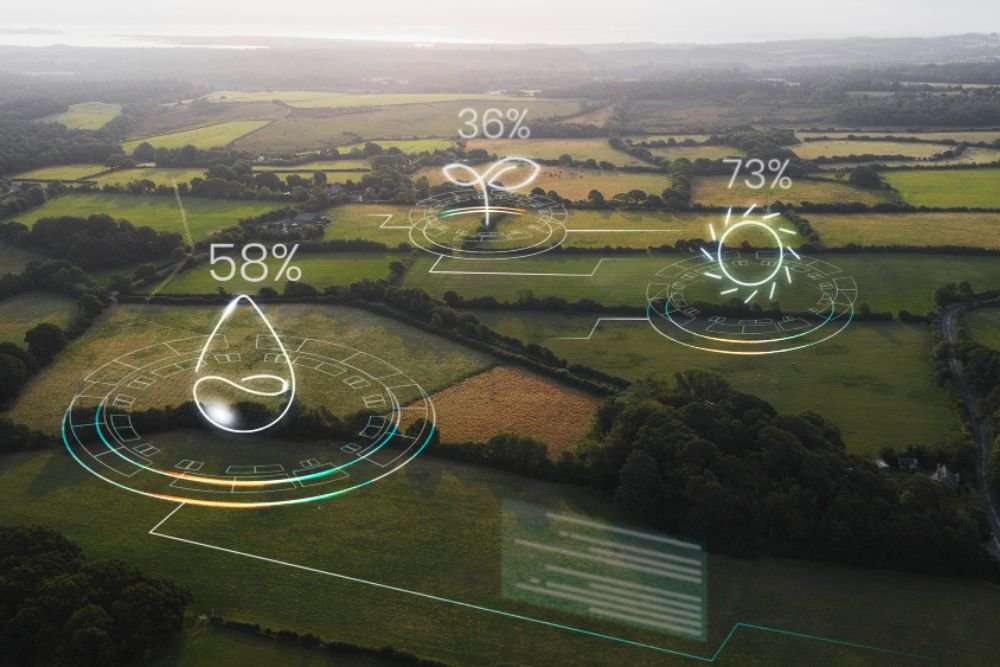
Environmental monitoring services track environmental conditions continuously. Given that changes in the environment take place quickly, continuous monitoring is beneficial to identify problems in time. Moreover, long-term tracking gives enterprises practical information.
These services normally comprise:
- Programmed sampling schemes.
- Real-time sensor monitoring
- Compliance reporting
- Pollution trend analysis
As such, industries are able to implement the corrective measures before the risks become worse.
Why a Product Testing Laboratory Supports Environmental Goals
A product testing laboratory evaluates the environmental safety of materials and goods. In as much as internal checks are valuable, external testing presents sound and objective results. Consequently, the companies rely on certified laboratories to make compliance checks.
Common areas checked by a product testing laboratory:
- Composition and toxicity Chemical composition and toxicity.
- Durability and environmental effects of materials.
- Adherence to the REACH, RoHS and UK/EU standards.
These tests assure the products of safety to the users and environment.
Pros of an Environmental Monitoring Systems Laboratory
Various benefits are associated with collaborating with a special lab. Industries receive trustworthy environmental testing results delivered with advanced technology. Moreover, laboratories will give interpretations through which businesses make their informed decisions.
Primary benefits include:
- Quality analysis is accurate.
- Sponsorship of regulatory audits.
- Reduced environmental risk
- Professional advice on remedial measures.
These advantages eventually lead to success in the long run operations.
Advanced Technology Used in Environmental Testing
Laboratories dealing with the environment depend on advanced equipment. The use of tools like ICP-MS, GC-MS as well as HPLC provide accurate detection of contaminants. In addition, data consistency is enhanced, and automated systems assist in it.
Key technologies used:
- ICP-MS: Sensible levels of metals.
- GC-MS: It is used to analyze organic substances and toxins.
- Spectrophotometers: Determine the concentrations of chemicals.
- Automated Data Systems: Accuracy and reporting streamlining.
Due to technological advancement, equipments are regularly modified in a bid to improve the work of labs.
Environmental Testing for Compliance and Certification
Environmental testing supports compliance with national and international regulations. Verified results are important since industries are required to adhere to strict environmental requirements. More so, records of certified laboratories can be used to show complete compliance with regulations.
Compliance areas include:
- Standards of industrial discharge.
- Air emission regulations
- Hazardous waste management
- Product environmental certification.
With consistent environmental monitoring services, maintaining compliance becomes easier and more predictable.
New trends in environmental monitoring and testing
Environmental testing is rapidly advancing with new technologies. Computerized monitoring systems and computerized sampling devices are the new norm. Also, industries are implementing AI-based analysis in order to make quicker decisions.
Major future trends:
- More automation of sampling.
- Online environmental protection.
- Remote sensing technology.
- Green testing innovations
As a result, environmental monitoring systems laboratories will provide even more cost-effective and fast results.
Why Environmental Testing Remains Critical
Environmental testing protects ecosystems, communities, and industries. Moreover, environmental monitoring services and product testing laboratory support help ensure long-term safety and compliance. Efficient testing in laboratories has become crucial as the issues related to the environment are increasing across the globe.
When industries choose a reputable laboratory offering Environmental Monitoring Services in UK, they protect their operations while demonstrating social responsibility toward the environment. Therefore, environmental testing remains a powerful tool for building a safer and more sustainable future.