

Water is an essential item that we all consume daily. We consume it, use it to cook and even clean. At the workplace, water maintains machinery and hygienic standards of workers and consumers. However, the very obvious question that should come to our minds is, is this water really safe?
The reality of the matter is that water may appear to be clean, yet unsafe. It can have harmful bacteria, chemicals, or heavy metals. Most of these risks are not visual and they are detected with the right test. That’s why doing a water drinkability test is so important. It informs you whether your water is really safe to use.
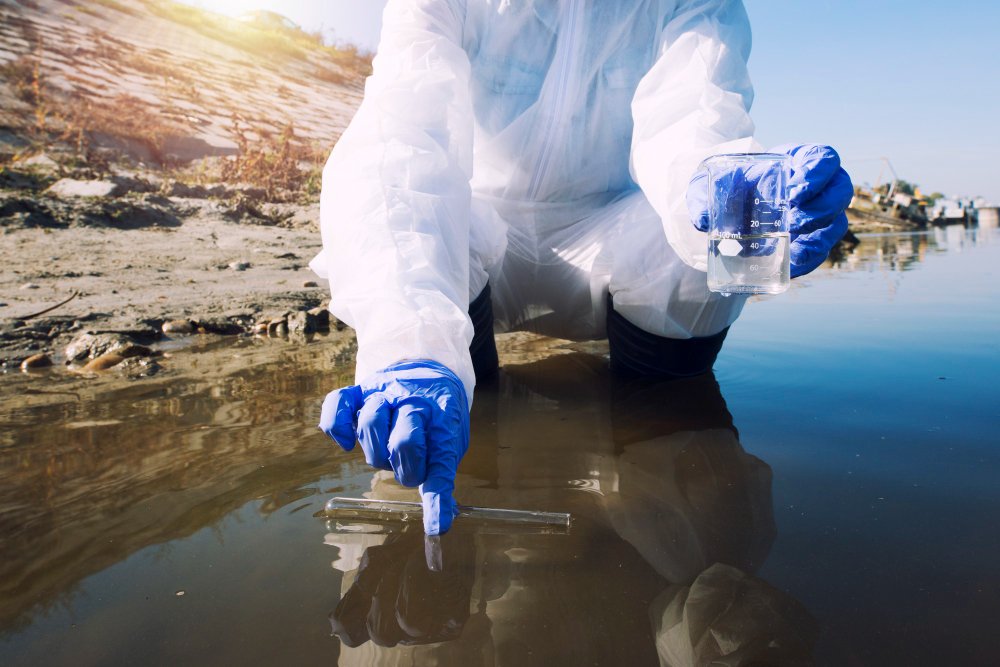
The general impression about testing is that it is confined to the factory or huge companies. However, in a real sense homes and small businesses require it. A trusted water testing lab can help make sure the water you use daily meets all safety standards.
What’s in Your Water?
Even the treated water can turn into something unsafe. Between the tap and the source of water, there are pipes, tanks and pumps. On its path it can gather lead, rust, bacteria or other contaminants. That’s why experts always recommend a drinking water quality analysis, especially if you haven’t tested your water in a long time.
When you are using water which is powered through a private well, the importance of testing increases even further. Government systems do not regulate well water, and its safety can be influenced by shifts in soil or the weather or by local farms.
Problems such as:
- Excessive nitrates
- Dangerous bacteria (such as E. coli or coliform)
- Farm or factory chemical pollution
- Excessive Lead, arsenic and mercury
All these problems may be really threatening to your health. But with a water drinkability test, you can catch them early and fix the problem before it gets worse.
Health Risks from Unsafe Water
People can be ill with contaminated water. This is particularly hazardous to children, the old and individuals with compromised immunity in homes. Dirty water may not only injure workers and customers in work places but also bring bad reputation to a company as well as causing legal issues.
Health issues with unsafe water can consist of:
- Stomach pains or diarrhea
- Rashes or irritation of the skin
- Metal poisoning
- The Chemicals Long-term health effect consideration damage
With regular drinking water quality analysis, you can reduce these risks. You will also be assured knowing that water used in your family or staff is safe.
Why Workplaces Must Take It Seriously
The issue of clean water in the workplace is not only about safety, it is about responsibility. Employers ought to offer healthy and clean working places. Water testing is of the utmost importance in case your business serves drinks or foods.
Laws ask many industries to test their water. Hospitals, hotels, schools, food factories, and office buildings often work with a certified water testing lab to meet these regulations. Others even conduct tests every month or every quarter depending on their industry.
A company like METS Lab UK helps businesses stay compliant with health and safety standards through certified water drinkability tests and drinking water quality analysis.
When Should You Test Your Water?
Although it might turn out that your water appears to be fine, both in terms of appearance, aroma, and taste, it may not be healthy. There are problems that cannot be seen and smelled. You need to arrange a test in case:
- There is something wrong with your water, it tastes or smells funny
- You are close to a farm, factory or shanty houses
- Your office or house has old plumbing pipes
- You consume a well-water supply
- One person in your household usually gets ill without a reason
- You have never tested your water ever!
Doing a water drinkability test gives peace of mind and helps avoid future problems. Waiting until the person gets sick might be too late.
What Does Water Testing Include?
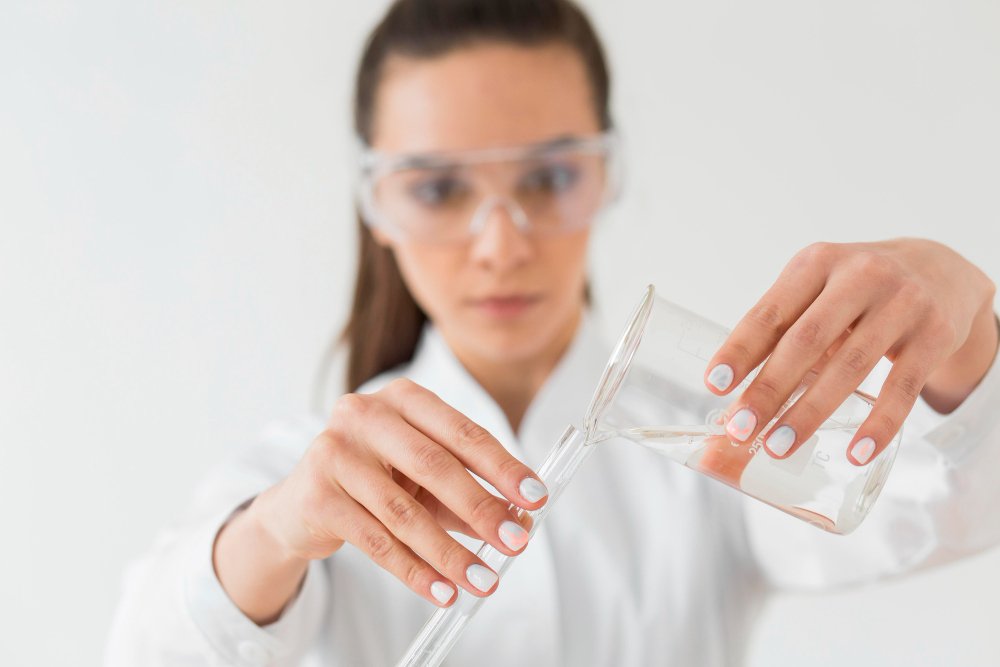
When you go to a water testing lab, the testing process is simple. You drop a sample of water and they check it on a variety of issues. A good drinking water quality analysis may include:
- Concentration of bacteria (E. coli, total coliforms)
- Heavy metals (lead, mercury, arsenic)
- Nitrates, pesticides (chemical substances)
- Turbidity and pH level
- Mineral ingredients (calcium, magnesium)
- Total dissolved solids (TDS)
These findings assist you to realize the nature of your water and what type of treatment, whether any needs to be done. You will also be able to determine whether your water is up to UK standards as far as health and safety are concerned.
Testing water is not a one time event. The circumstances are dynamic, old pipes may break, the ground may shift, a new source of pollution may be a source of pollution. That’s why experts recommend repeating your water drinkability test at least once a year.
For businesses, regular drinking water quality analysis shows customers and regulators that you take safety seriously. It prevents cases with the law and encourages trust in your brand in the long term.
We cannot take the water supply so lightly, but clean water is very important. By getting a regular water drinkability test, you protect your family’s health and your business’s reputation. A certified water testing lab helps uncover hidden risks and gives you clear guidance on how to fix them.
Regular drinking water quality analysis is a small step that can prevent big problems. It provides you with control, security and peace of mind.
Do not wait till something goes wrong. Go on and make your water clean, healthy and usable. Test and refine your water today at METS Lab UK. To learn more, check their services or reach out here.
Let me know if you’d like this in a downloadable format or need another topic written similarly.