


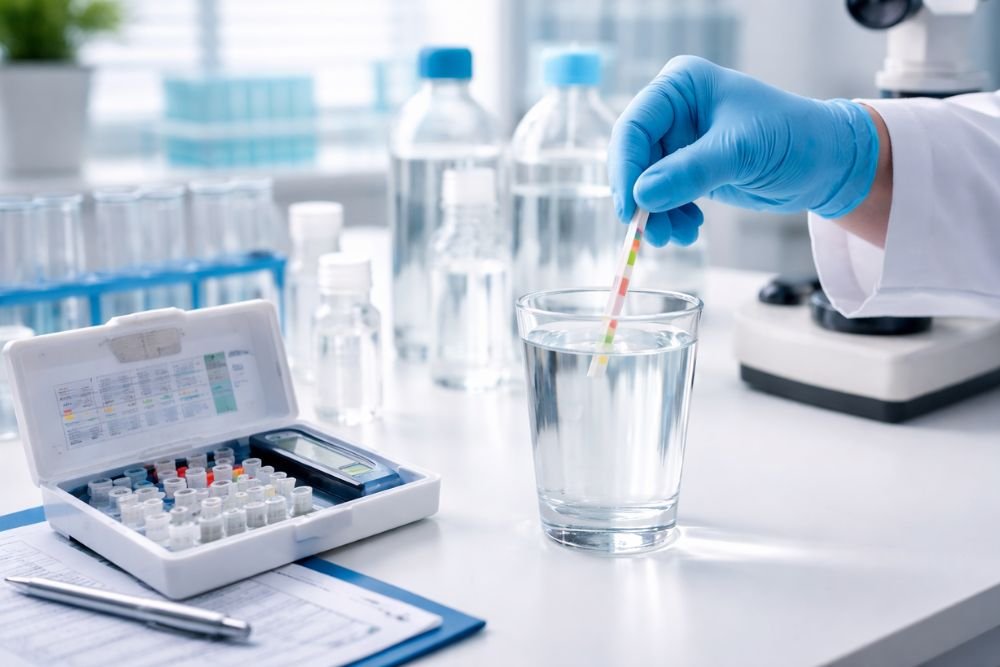
Safe drinking water is a global priority, and conducting a water drinkability test in UK helps organisations detect contamination at an early stage. In addition, regular testing strengthens public health protection and ensures compliance with established safety standards.
A water drinkability test in UK evaluates key physical, chemical, and microbiological parameters to determine water quality. Since contamination can occur at multiple stages, routine testing is essential. Moreover, early detection helps prevent long-term environmental and health risks while reducing costly corrective actions.
At METS Lab, we recognise the importance of transparent and accurate testing. As consumer expectations and regulatory requirements continue to grow, partnering with a certified environmental testing laboratory ensures dependable and verified results.
Understanding the Role of a Water Drinkability Test in Water Quality Management
Contamination of water is not usually visible but it is very dangerous to health. A detailed water drinkability test identifies harmful bacteria, heavy metals, and chemical pollutants. Consequently, organisations are able to act in corrective measures immediately.
Most people believe that their water supply is safe, yet the water and the environment may vary in terms of quality often. Contaminants are added by seasonal variations, industrial activity and corrosion of the pipeline. Therefore, regular testing is an essential preventive intervention.
Long-term water quality trends can also be determined through routine analysis. These lessons enable organisations to improve the treatment processes and minimize risks. Moreover, collaborating with an environmental testing laboratory ensures consistent accuracy.
Key Parameters Measured During a Water Drinkability Test
A standard water drinkability test focuses on microbiological, chemical, and physical characteristics. Microbiological tests identify organisms that are harmful like E. coli. Chemical analysis on the other hand determines metals, minerals, nitrates and PH levels.
Key parameters include:
- Microbiological indicators (coliforms, E. coli).
- Arsenic, lead and mercury are the heavy metals.
- Physical characteristics such as turbidity, colour and smell.
All the parameters are crucial determiners of water safety. As an example, abnormal PH levels could mean corrosion, failure of treatment or intrusion of chemicals. Thus, daily consumption is safe as it is monitored regularly.
Testing is also beneficial to the professionals to determine the sources of contamination. Patterns are analyzed to identify the possible source of contamination, be it at the source, during distribution or storage. Consequently, a water drinkability lab test becomes a critical diagnostic tool.
How Wastewater Testing Strengthens Water Drinkability Test Results
The quality of wastewater has a direct impact on the long-term drinking water safety. A wastewater testing lab monitors industrial discharge, sewage treatment performance, and harmful pollutants. The wastewater can easily be deposited into rivers, lakes and ground water that are poorly treated.
The importance of the wastewater testing:
- Averts the massive pollution of the environment.
- Assures proper and safe industrial discharge.
- Secures ground water and surface waters.
The wastewater analysis is crucial to industries as it helps minimize the risks to the environment. Also, it helps in adherence to regulatory and sustainability requirements. There is a comparative analysis of the wastewater outcomes with the drinking water outcomes that give the organisations the full knowledge on water safety.
Wastewater has serious effects on the ecosystem and therefore regular testing becomes vital. Combining the expertise of a wastewater testing lab with an environmental testing laboratory ensures comprehensive protection. Thus, integrated testing is safer to the community.
The Importance of Choosing the Right Environmental Testing Laboratory
A certified environmental testing laboratory provides advanced analytical capabilities and expert interpretation. These centers are tested in national and international standards of accuracy. As such, organisations are being provided with reliable information to make critical decisions.
The sophisticated equipment applied in modern laboratories includes ICP-MS, spectrophotometers, and microbiological devices. With this technology, the accuracy of every water drinkability test increases significantly. Moreover, laboratories have tough quality-control procedures to reduce the mistakes.
How laboratories add value:
- Adopt high-level and sensitive technology of testing.
- Adhere to approved scientific norms.
- Give understandable, comprehensive, and traceable reports.
There are also environmental labs that have specific testing packages depending on the industry. These solutions help to solve particular threat in manufacturing, health care, and food processing industries. Therefore, the insights are more meaningful and practical.
Why Regular Water Drinkability Testing Benefits Every Organisation
Conducting a water drinkability test regularly provides multiple advantages. It also guarantees adherence to safety standards and health safety of the people. In addition, it develops confidence towards consumers and stakeholders.
Regular analyses assist in prompt infection of contamination. Available action minimizes the disturbances of operations and health hazards. It also enhances long term sustainability.
Major benefits include:
- Early detection of problems of water quality.
- Less environmental and health hazards.
- Greater regulatory compliance and disclosure.
Because the level of the water quality influences all the levels of business functions, continuous monitoring appears to be a necessity. Using an environmental testing laboratory ensures accurate assessments. Thus, organisations would make informed decisions with confidence.
Metslab’s Reliable Approach to Accurate Water Drinkability Testing
Metslab has a structured testing process which is scientific. Each water drinkability test is performed using validated methods and advanced analytical instruments. Additionally, our professionals make sure that findings are precise, understandable and practical.
We also help the clients interpret and take corrective measures on test reports. This assistance increases regulatory compliance and safety of the environment. Moreover, our drinking water and wastewater testing services are in one place that provides end to end water management.
Reasons why Metslab is reliable:
- Tough quality-control measures.
- Professional technical interpretation.
- High-tech laboratory equipment and technology.
We are accurate in our testing process. We also have stringent measures between collection of sample and final reporting. Therefore, clients will be provided with reliable information that will make safe and comfortable decisions.
The Critical Value of a Water Drinkability Test
With the growing environmental issues, it is necessary to have reliable water testing. A water drinkability test ensures safe, clean, and compliant drinking water for communities. Additionally, support from a wastewater testing lab and an accredited environmental testing laboratory strengthens environmental responsibility.
Routine water testing improves the well being of the populace, sustainability, and safety of operations. It mitigates the risks and facilitates the long-term water management plans. Thus, regular testing is necessary to make the future safer and healthier.