



Construction of any building whether in residential, commercial, or infrastructure starts with the ground on which the building rests. The strength and stability of the foundation also relies greatly upon the quality and appropriateness of the buildings and the soil. Proper soil analysis lab and building materials testing are indispensable in ensuring that structures are safe, sustainable, and long-lasting. This paper will delve into the role of the processes in establishing good foundations in the contemporary construction environment and underline their significance, although within the local context and in the global context.
For detailed soil analysis services and their impact on construction integrity, resources such as METS Lab provide comprehensive testing aligned with industry standards and local requirements metslab.uk.
Why Soil Analysis Matters
Soil analysis is a scientific analysis of physical and chemical characteristics of soil at the construction site. It gives necessary information regarding soil content, bearing capacity, moisture content, density, and the capacity to drain. Not only the type of foundation required but also the appropriate construction technique and materials are determined by such parameters.
In regions like the United Kingdom, where soil types can vary widely from clay-heavy soils in the southeast to sandy and peaty soils in parts of Scotland, soil analysis labs play a critical role in customizing construction approaches. Soil testing also accurately determines the possibilities of a soil expansion, settlement, or contamination that may undermine the stability of a structure.
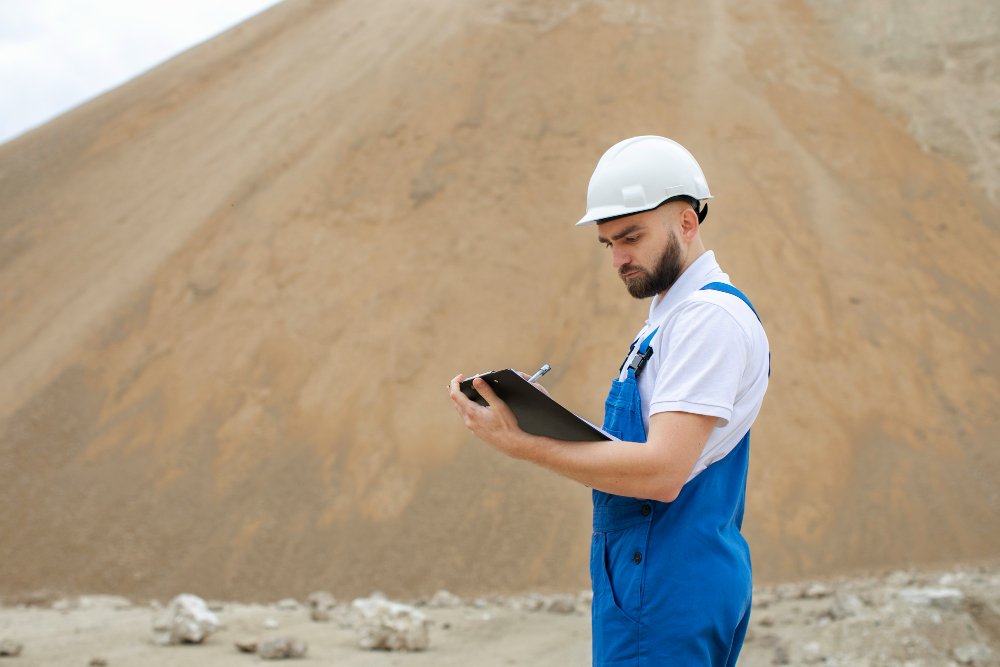
Soil testing has a wide range of benefits:
- Safety: Soil behavior can prevent seismic-related structural failures because of the unequal settling that can be performed through the learning of soil behavior.
- Cost efficiency: Since the occurrence of soil issues can be identified early this will prevent instances of rework, delays of the project and wastage of materials.
- Regulatory compliance: Most construction permits demand documented soil test as a means of compliance to environmental and building codes.
- Long life: A knowledgeable foundation design improves the building performance and durability.
Key Soil Tests in Construction
A number of standardized exams are the core of soil examination:
- Standard Penetration Test (SPT): Determines the density and strength of the soil based on the resistance of soil to penetration.
- Proctor Compaction Test: Test to determine the compaction at the optimum moisture content of soils and settle as little as possible.
- Soil pH and Chemical Analysis: It identifies either acidic or alkaline levels, a factor that influences the corrosion and performance of the material.
- Shear Strength and Bearing Capacity Tests: Vital in establishing the ability of the soil to sustain the planned load without over settlement or failure.
The outcomes of these tests assist the geotechnical engineers in suggesting the right type of foundations, e.g. shallow footings, deep pile foundations or raft slabs, based upon the soil conditions.
Importance of Materials Testing in Construction
Alongside soil analysis, building materials testing is vital to verify that materials like concrete, steel, and aggregates meet quality stanards. The testing of materials averts structural observations of structural weaknesses on account of substandard materials or unsuitable materials which might prompt catastrophic failures.
Building materials testing checks for:
- The strength and endurance: Are they capable of resisting expected loads and climatic environments?
- Chemical resistance: This is especially significant where the material will come in contact with soil chemicals or pollutants.
- Specification Compliance: That the materials are compliant with national and international codes on construction.
In the UK, where environmental sustainability is gaining prominence, materials testing also integrates with environmental monitoring services to assess the ecological impact of construction materials.
Consulting specialized building materials testing services ensures that every component used in construction contributes to a safe, durable outcome.
Common Materials Tests
Common tests are:
- Concrete compressive strength determinations: Estimating the capacity of a concrete specimen to resist a weight.
- Aggregate quality tests: Tests of size, shape and levels of contamination.
- Tensile and bend tests of steel: Determining the elasticity of reinforcement bars and their strength.
- Moisture contents and permeability: This is especially done on bricks and blocks to ensure resistance to weather conditions.
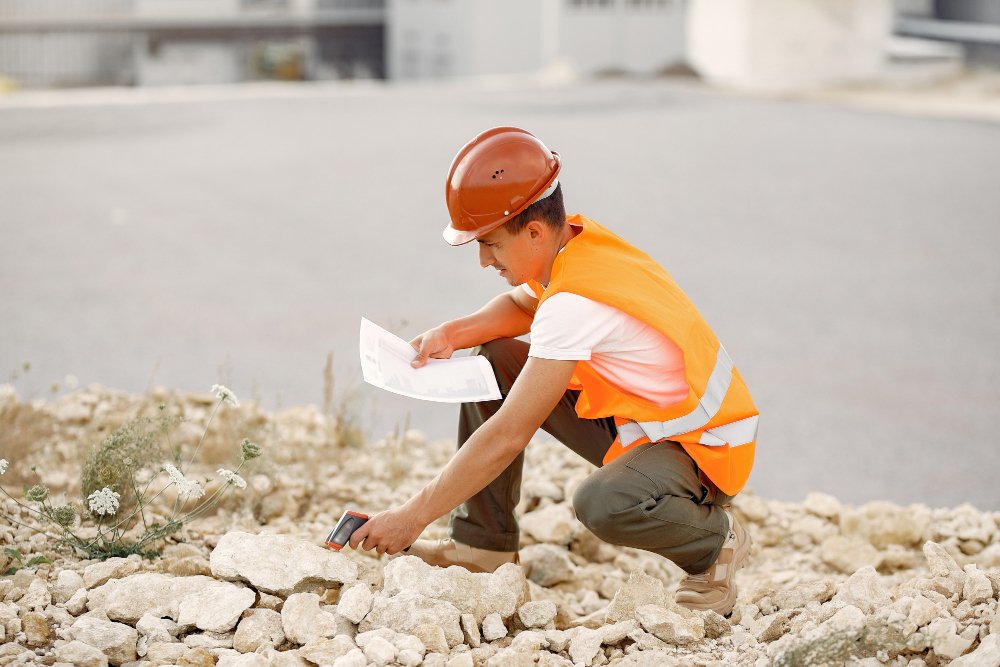
Through the combination of the findings of a materials test with the results of soil analysis, an engineer may make decisions related to structural design, which guarantee the compatibility between the soil foundation structure and construction materials.
Environmental Monitoring Services: A Broader Scope
In modern construction, projects are more and more taking environmental impact into consideration. Environmental monitoring services complement soil and materials testing by assessing factors such as groundwater quality, soil contamination, and air emissions. Such services can make sure that construction processes are environmentally friendly and do not affect local ecologies in the worst way possible.
In regions near construction sites—such as cities like London or Manchester, especially where water bodies or residential areas are located—authorities continue environmental monitoring to reduce the likelihood of harm caused by pollution or habitat destruction.
Environmental data are another factor that affects building material selection, favoring more environmentally friendly material and sustainable construction choices. This comprehensive model mirrors the trends in the world towards green building specifications like BREEAM and LEED.
Good, firm constructions start with a good knowledge of what lies below in terms of soil and the material put in above the soil. Soil analysis labs equipped with advanced testing methodologies reveal the hidden characteristics of the ground, guiding foundation design to ensure safety and durability. Complemented by rigorous building materials testing and environmental monitoring services, these practices form a comprehensive foundation for modern construction challenges.
Conclusion
In achieving the construction objectives in the UK and beyond, it is essential to collaborate with reputable testing service providers such as METS Lab in order to make evidence-based decisions in maintaining quality, safety, and sustainability in the lifecycle of the building. Investing time and resources in soil analysis and materials testing should not be viewed merely as a legislative requirement; instead, organizations can treat it as a strategic step toward building a strong and reliable foundation for the future.
To read more about these crucial services and their advantages visit the page of services in METS Lab and learn more about their accreditations which help to found quality assurance. This is what promotes trust and confidence to the construction efforts which eventually forms the foundations of strong infrastructures in terms of regions and climates.