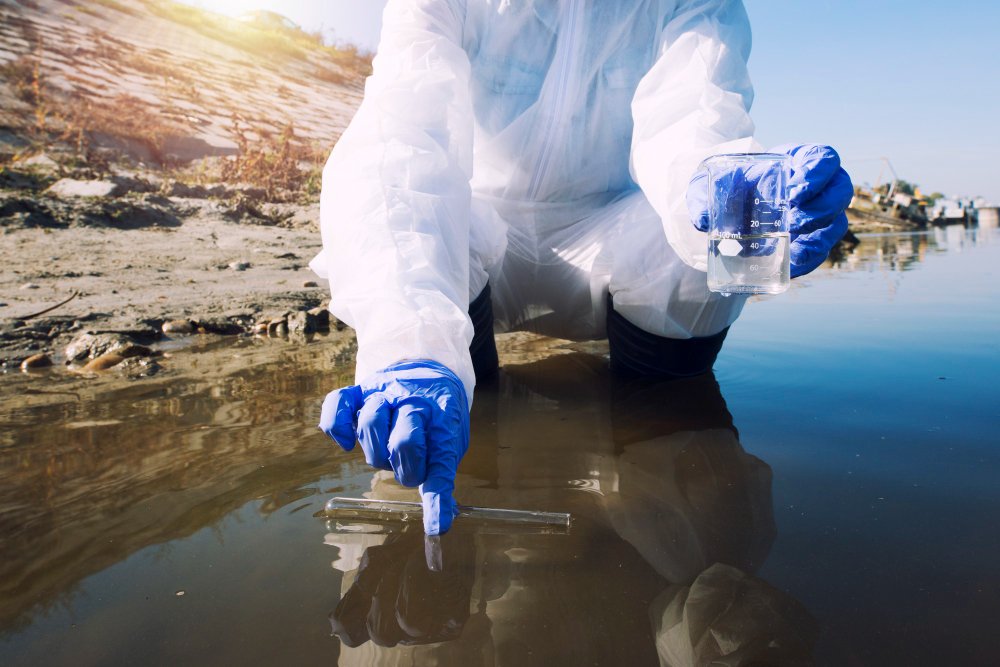


As the global trade continues to intensify, food safety of imported food has become more important than ever before. HRFNAO—High-Risk Food and Feed of Non-Animal Origin is one of the regulatory spheres the business should pay maximum attention to. These high-risk products are dried fruits, nuts, cereals, spices and herbs, that can be contaminated with potentially damaging substances including mycotoxins, pesticides, and food-borne pathogens like Salmonella and Listeria.
The importation of HRFNAO products in Great Britain must be carried out in accordance to the harsh food safety standards. Failure to comply may result in the refusal of the borders, delays in shipments, and financial losses. This is where food safety testing in UK plays a vital role in safeguarding both consumer health and business interests.
What is HRFNAO?
HRFNAO is an abbreviation, which means High-Risk Food and Feed of Non-Animal Origin. These foods have high risks as compared to animal based products since they are more prone to contamination in the course of cultivation, processing, or storage.
Common examples include:
- Nuts (almonds, pistachios, peanuts)
- Dried fruits (raisins, dates, apricots)
- Cereals and grains
- Herbs and spices
The UK government requires strict safety inspections to be done to such products prior to entry into the country due to the high-risk nature of the products.
Rules and Regulations on the Imports of HRFNAO
Any HRFNAO products that enter Great Britain should have passed through certain Border Control Posts (BCPs). The system (Import of Products, Animals, Food and Feed System) that the importers must comply with encompasses the Common Health Entry Documents (CHED-D), proper documentation through the IPAFFS system, and the compliance of the UK food safety standards as provided by the Food Standards Agency (FSA).
Non-compliance can result in shipment rejection or disposal, making pre-import food testing a crucial step for importers.
The Role of Food Testing and Independent Laboratories
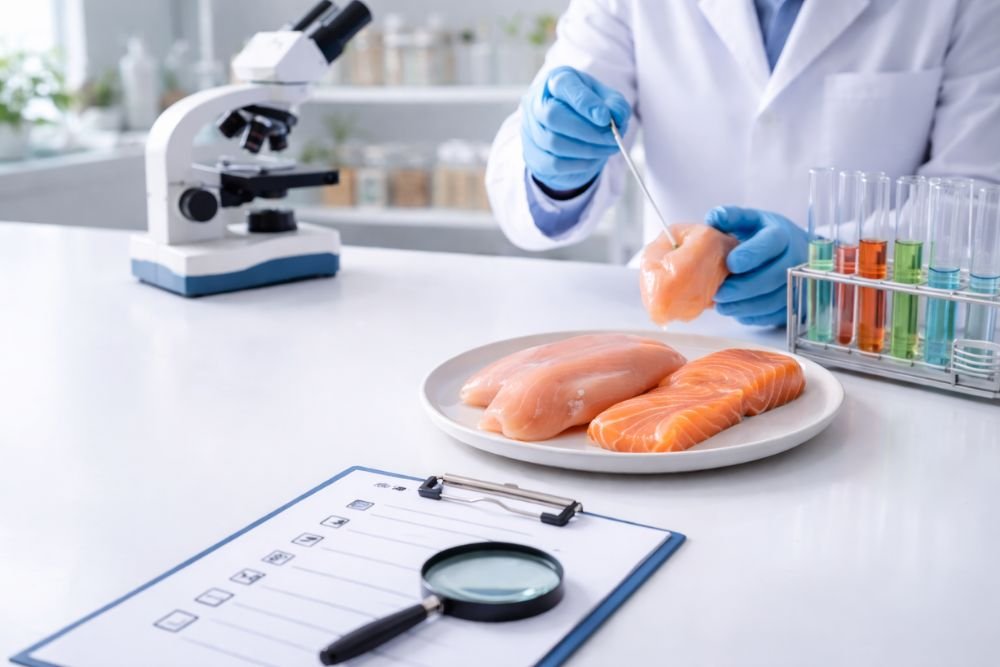
Independent laboratories provide comprehensive food lab test services to ensure that HRFNAO products meet UK food safety requirements.
These laboratories test for:
- Aflatoxins and mycotoxins
- Pesticide residues
- Microbiological hazards such as Salmonella and Listeria among other pathogens
By performing food safety testing before shipping, importers can verify that their products are safe, compliant, and ready for clearance at the border.
Benefits of HRFNAO Food Testing
- Consumer Safety: Assures that dangerous products do not contain dangerous toxins and bacteria.
- Regulatory Compliance: Assists importers to comply with the regulations set by the UK Food Standards Agency and prevent border refusals.
- Supply Chain Integrity: Early detection of contamination problems eliminates the need of an extensive recall or dismissal of shipments.
- Business Reputation: Shows quality and safety, which results in enhanced customer and partner trust.
Through the collaboration of a trusted independent laboratory, the businesses will not be afraid to import the HRFNAO products and comply with the recent regulatory standards.
Procedures to Effective HRFNAO Compliance
- Name HRFNAO Products: Name all risky foods and feeds your business intends to import.
- Conduct Pre-Import Food Lab Tests: Engage an independent laboratory for comprehensive food testing, including aflatoxin, pesticide, and microbiological analysis.
- Make Documentation: Fill out all the IPAFFS notifications and CHED-D papers needed to submit to the border.
- Border Clearance: Present the test reports and documentation in the designated Border Control Post.
- Continuous Monitoring: Periodically conduct food safety testing to maintain compliance and ensure consistent product quality.
By taking these precautions, importers can avoid potential problems and maintain a smooth supply chain while adhering to UK laws.
A key component of food safety regulation is HRFNAO, and successful import compliance depends on comprehensive food testing. The independent laboratories provide the knowledge and services needed to remove contaminants from products so they meet legal and consumer safety requirements.
For businesses importing HRFNAO products, investing in reliable food testing labs and ongoing food safety testing is not just a regulatory requirement—it is an essential step for protecting consumers, ensuring smooth border clearance, and maintaining business credibility.