


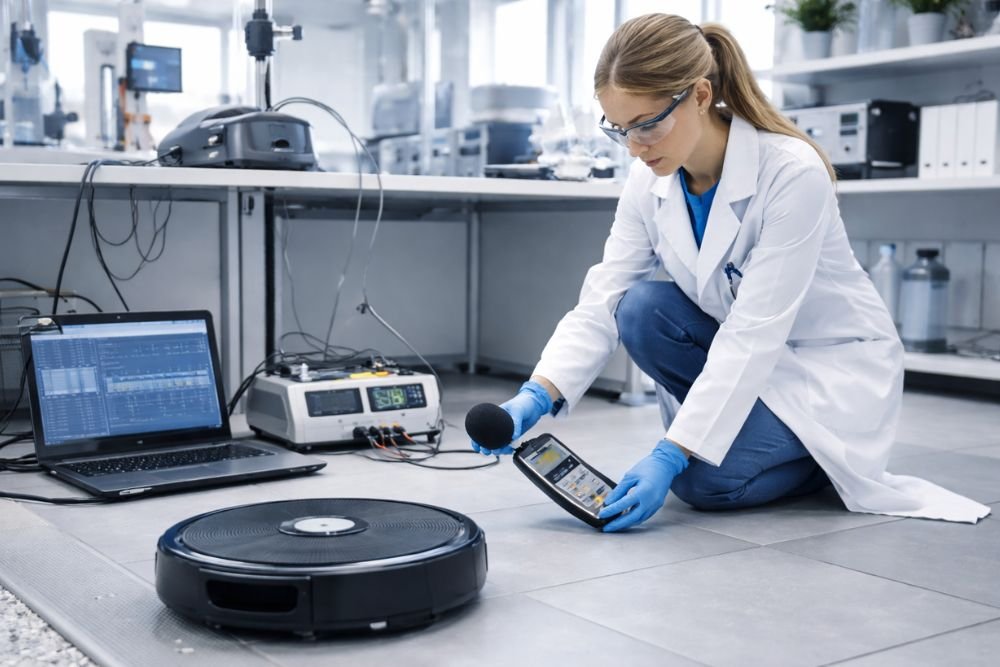
Each product released to the public carries an important responsibility. Safety for consumer use must always be ensured. Promised performance should be consistently delivered. Any potential risk of harm must be prevented. This responsibility does not begin at the retail shelf but much earlier within a controlled laboratory testing environment. UK regulations prohibit the sale of products that are considered unsafe for consumers. This is why Consumer Product Testing in UK plays a vital role in identifying potential hazards and ensuring that products meet safety requirements before reaching the market. Within the UK, the process of testing ensures that all products sold comply with the regulations and minimum safety standards and that they are fit for their intended use and have been properly evaluated before being sold to consumers.
The absence of proper testing can allow unsafe products to reach the market and pose serious risks to consumers. For this reason, independent laboratories play an essential role. Reliable data is generated through scientifically validated procedures. Recognised testing methods are followed to ensure accuracy and consistency. This process helps manufacturers fulfil their legal responsibilities while safeguarding consumer health and safety.
Why Consumer Safety Depends on Testing
Consumer safety is not about assumptions. It is about evidence. Testing provides proof that a product works safely under real conditions. It checks physical strength, chemical content, hygiene levels, and performance limits. For example, a product may look safe but fail under stress. A cosmetic may appear clean but contain harmful bacteria. A construction material may seem strong but weaken over time. Testing reveals these issues before they become serious problems. In the UK, regulators rely on test results to enforce laws. Retailers rely on test reports to choose suppliers. Consumers rely on the system without even realising it. This invisible protection is one of the strongest safety tools available.
How Laboratories Support UK Regulations
UK safety regulations are detailed and specific. They are designed to reduce risks across different industries. Laboratories help apply these rules in a practical way. Testing labs follow approved standards. They use calibrated equipment. They document results clearly. This allows authorities and businesses to trust the data. Labs identify the problem(s) and recommend solutions through a systematic approach to investigating the causes. Testing that is independent from a manufacturer is impartial, and vendors cannot be influenced by what a company claims about its products. Therefore, the data collected (by independent testing) will provide everyone involved a level playing field with regard to all products being sold into the marketplace.
Testing Across Different Product Categories
There are many different types of consumer goods.Each one may present different risks that will require specific testing, rather than a ‘one size fits all’ approach.For example, when testing electrical products, there is a need to look for shock and overheating hazards, while food products are tested for contaminants, traces of chemicals, and accurate labelling. A critical element of toy testing includes the assessment of numerous potential choking hazards along with other risks related to the materials that comprise the items’ construction.
In the case of personal care products, testing can help ascertain whether or not a cosmetic product testing is safe when applied to the skin. Testing can also identify the presence of any harmful substances, determine whether the product has a stable shelf life, and locate microbes that could potentially cause health issues. Due to the daily use of cosmetics as well as their effect on our bodies, testing on cosmetic products is crucial. By identifying the risks associated with specific types of products through testing, consumers are protected in their day-to-day lives.
The Role of Testing in Building and Infrastructure Safety
Safety goes beyond just small consumer products; it also encompasses buildings and public areas. The materials selected for construction product testing must adhere to rigorous standards, as any failures can lead to serious repercussions. Testing checks how materials behave under pressure, heat, moisture, and time. It helps confirm whether they are suitable for their intended use. This protects not just individual consumers, but entire communities. Laboratories play a key role in maintaining trust in the built environment. When materials are tested correctly, structures last longer and perform better.
Why Independent Testing Matters to Consumers
Consumers rarely see test reports. But they benefit from them every day. When a product works safely, testing has likely played a part. Independent laboratories act as a bridge between manufacturers and the public. Claims must be supported by reliable data to maintain credibility. Unsafe shortcuts can be avoided through proper verification processes. When issues arise, testing also plays a key role in supporting recalls and investigations. Consumer trust strengthens when safety systems operate effectively behind the scenes. Product testing is one such system that safeguards quality and reliability.
Commitment to Safety at METS Laboratories UK
METS Laboratories UK is committed to ensuring a safe environment for our staff, customers and suppliers by developing standards that promote safe products through regulatory compliance and Industry Standards. We support manufacturers by delivering responsible testing via accepted Procedures and methods while providing an emphasis on Accurate/Clarify and Safety Compliance/Reliability.
METS Labs UK is an accredited laboratory with extensive expertise in Product Testing in UK. As a facility recognised by a national accreditation authority, the laboratory provides specialised testing services to evaluate whether products are safe for consumer use. These assessments are carried out in accordance with legal regulations and established industry standards.
By ensuring compliance with both statutory requirements and recognised standards, product testing helps manufacturers deliver safer products while significantly reducing the risk of injury throughout the entire consumer supply chain.
Final Thoughts: Safety Is a Continuous Process
Consumer safety should never be treated as a one-time check; it requires continuous monitoring. Over time, products change, materials evolve, and regulations are updated, making ongoing testing essential to keep up with these developments. From everyday household goods to large-scale construction materials, proper testing supports well-informed decisions. It helps reduce uncertainty and prevents potential harm before it occurs.
In industries such as construction, reliable product evaluation systems are especially important. Thorough testing helps safeguard lives, protect property, and maintain public confidence. When products undergo proper testing and verification, consumers are able to use them with greater assurance. That sense of trust is built within the laboratory environment—long before the product ever reaches the hands of the public.