


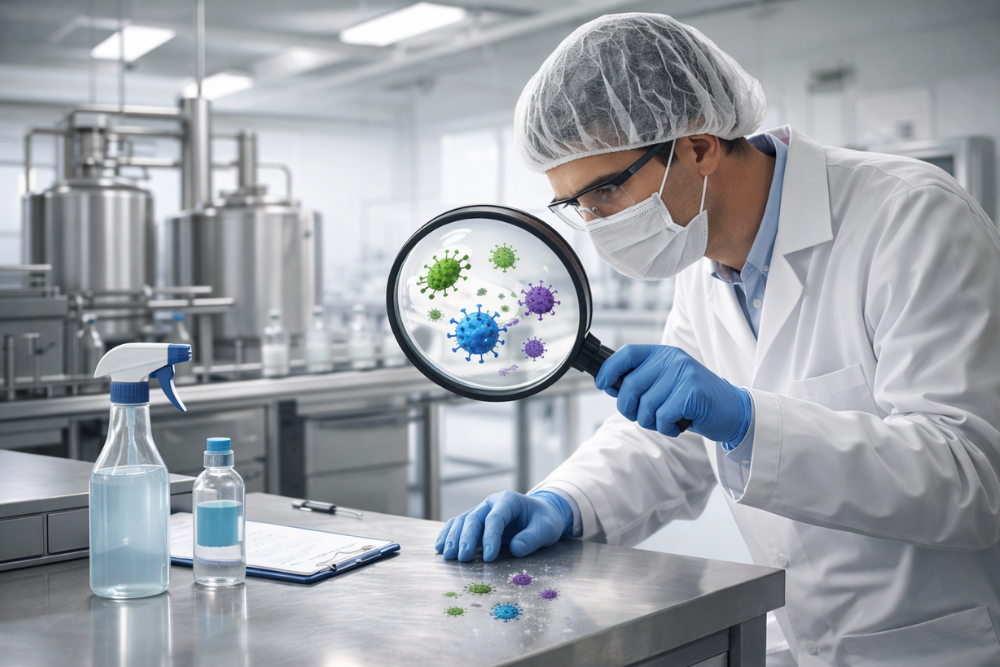
Microbial contamination is one of the most lingering problems in recent production. Bacteria, fungi, and viruses can undermine the quality, safety, and compliance of food and pharmaceuticals to consumer products. In the UK, stringent regulatory frameworks play a pivotal role in regulating industrial processes, making effective microbial control not merely a best practice but a legal and operational requirement. Robust product testing and environmental monitoring services ensure that contamination risks are identified early, mitigating potential harm to consumers and protecting brand integrity. Accredited laboratories have been crucial in this ecosystem because they offer scientifically approved information that enables manufacturers to stay in line and remain in operation.
Understanding Microbial Risks in Manufacturing
Microorganisms can infiltrate manufacturing environments through raw materials, human contact, or air. In sensitive industries like pharmaceuticals or food manufacturing, even small contamination can cause product recalls or health hazards. The Food Standards Agency of the United Kingdom has reported that more than 60 percent of food-related recalls each year are due to contamination by bacteria. Contamination cases may cause reputational and financial harm on a large scale in healthcare and in cosmetic manufacturing. This highlights the significance of active surveillance and product testing in the UK schemes that are set to identify the existence of microbes before it can become a major challenge.
The Role of Product Testing in the UK
The UK product testing standards are based on the ISO 17025 standard that promotes reliability and accuracy of laboratory analysis. These processes entail stringent microbiological tests to ensure products are of national and international safety standards. An illustration is that cosmetic products are tested under microbiological quality to comply with the UK Cosmetics Regulation. Likewise, food and beverage companies need to perform microbial stability tests in order to assure the products are safe during their shelf life. The involvement in product testing laboratories assists industries to overcome these regulatory needs whilst streamlining their internal quality control mechanisms.
Environmental Monitoring: A Preventive Approach
Environmental monitoring services are critical for identifying microbial contamination sources within manufacturing facilities. The regular air, surface, and water testing allow manufacturers to identify and mitigate the possible threat in time. Pharmaceutical and healthcare sectors in the UK apply cleanroom monitoring systems to establish aseptic production environments. Data-driven environmental monitoring supports regulatory compliance with guidance from the Health and Safety Executive (HSE) and the Medicines and Healthcare products Regulatory Agency (MHRA). With constant monitoring as part of the operational procedures, organizations will be able to avoid expensive cases of contamination and assure products integrity.
Antimicrobial Susceptibility Testing: Ensuring Control and Compliance
Antimicrobial susceptibility testing plays a crucial role in understanding how microorganisms respond to disinfectants and preservation agents used in manufacturing environments. This testing enables manufacturers to test the effectiveness of the cleaning procedures and antimicrobial coatings. For example, in the food sector, companies detect resistant bacterial strains and use the findings to improve sanitation, while in pharmaceutical manufacturing, they confirm the sterility of drug production lines. Implementing antimicrobial susceptibility testing within broader environmental monitoring programs ensures that contamination control measures remain scientifically substantiated and compliant with UK regulatory standards.
UK Regulatory Framework and Industry Standards
The UK has some of the highest standards of microbiology in the world. Other regulatory bodies like the Food Standards Agency (FSA), MHRA, and the British Standards Institution (BSI) impose rigorous testing procedures in all industries. International standards such as ISO, EN, and BS establish acceptable microbial limits, testing procedures, and reporting requirements. Furthermore, to properly document testing results, manufacturers must demonstrate compliance and due diligence. In addition, frequent audits, product sampling, and environmental inspections help maintain public trust in products and ensure continued regulatory approval.
Case Example: Enhancing Hygiene Standards in Food Manufacturing
Recently, a UK-based food processing plant reported a case that clearly demonstrates how effective environmental monitoring can revolutionize hygiene management. Specifically, the plant implemented a targeted monitoring program and thereby identified recurrent microbial hotspots in the packaging areas. By implementing corrective interventions, such as airflow optimization and the rotation of disinfectants based on antimicrobial susceptibility data, the risk of contamination consequently decreased by 40 percent within six months. These are typical results of the practical importance of the complete microbial control systems towards the maintenance of food safety and operational quality.
Global Implications and Forward Outlook
Although this discussion focuses on the UK, microbial contamination is, in fact, a global issue. Moreover, global supply chains connect manufacturers across countries; therefore, contamination risks can easily cross international boundaries. Consequently, industries must adopt harmonized testing standards to ensure safety and consistency worldwide. In this context, the UK has aligned with internationally accepted standards and, as a result, has become a benchmark in microbial safety. As rapid testing and automated environmental monitoring systems advance, manufacturers worldwide can adopt these approaches to minimize contamination risks, increase efficiency, and guarantee consumer safety.
Fighting microbial hazards in production requires a multi-level response that includes testing of the products, regular testing of the environment, and sophisticated evaluation of antimicrobials. The high quality regulatory system of the UK offers a high base in assuring microbial safety and quality assurance in industries. Laboratories like METS Lab UK are in line with these efforts with accredited tests and environmental monitoring services which are in tandem with international standards. Combining all these practices, manufacturers can protect the health of the population and brand reputation and promote ongoing growth of microbial control. To learn more about specialized testing solutions, go to the contact page of METS Lab UK.